The Greenspace philosophy
At Greenspace, our core, central philosophy is built around a single, unifying idea: Create Legacy. It’s what underpins the design consultancy we provide to brands, people and places, and what enables them to cut through the noise, remain relevant over time, and leave a real mark.
Why is this concept so important? Because a defined Legacy ambition makes it easier to address a brand’s needs, both in the long-and short-term. It enables quicker, more agile responses to immediate questions, along with big-picture clarity, and clear differentiation in the market. All while building a robust, enduring operation that is commercially stronger, more resilient, and easier to scale.
This is an efficient way of thinking that solves commercial challenges, while creating a stronger emotional connection with consumers, giving them a reason to repeatedly engage and setting up a brand for future growth and evolution. It establishes the dynamic direction of travel that will lead proactively to growth opportunities.
First principles
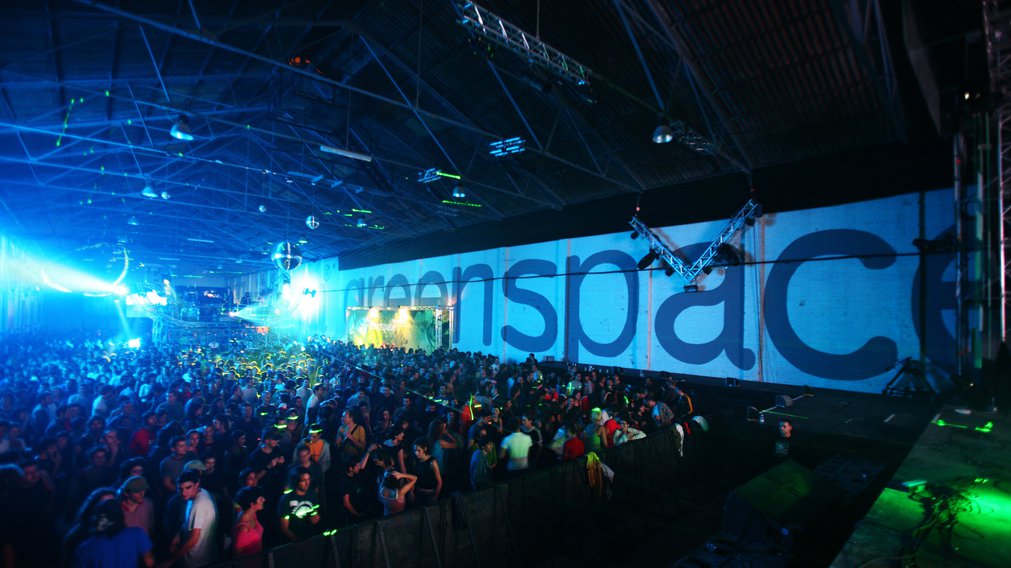
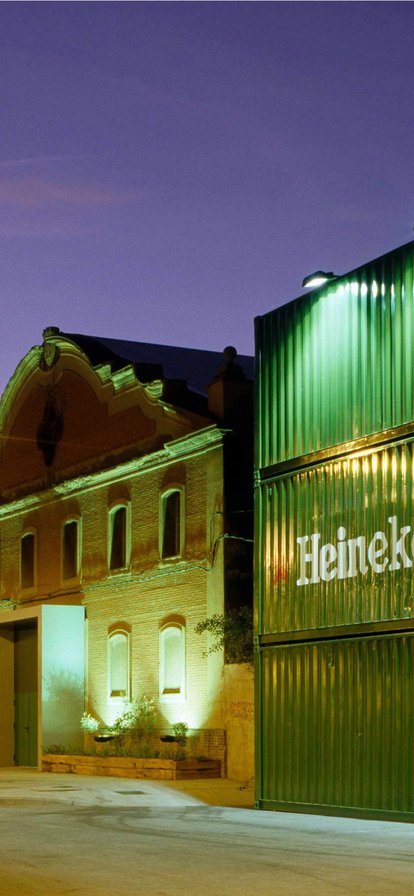
Greenspace’s founding project was a perfect example of this – a comprehensive, long-term placemaking strategy for a derelict area around the docks of eastern Valencia in 2003.
Initially commissioned by Heineken to create an original brand experience activation, the focal point for this project – and the primary legacy element – was the conversion of a 2-acre block of abandoned warehouses through a Public-Private Partnership with Valencia City Council, into a public-facing, cultural destination from which we drew our name.
The question ‘Where’s your Greenspace?’, served as a provocation to artists, designers, film-makers and musicians to ‘go beyond’ and create original experiences on site, with the potential to develop over 5-years, rather than a simple time-limited campaign activation. Rem Koolhaas, founder of renowned architects, OMA described Greenspace as “A new moment where brands are generous and unilateral, a very clever example.”
The original Heineken Greenspace project evolved into Las Naves and has to date hosted over 400 events and developed a 2000 seat theatre, as well as providing affordable studio space and facilities for countless local enterprises – Valencia’s authorities now describe the area around Las Naves as ‘the center of social and urban innovation in the city’.
Greenspace worked, because the objective of creating a legacy (physically, culturally and financially) was its foundation and clear, core principle, not an afterthought. Something of real value was created for the neighborhood with the brand gaining the commercial benefit and reputational uplift from making it happen. All parties (including the local authority and wider city) were aligned on the legacy vision and concept, and could see the path to share its clear benefits.
The connection factor
At Greenspace, we believe that this longer term, legacy-based thinking is crucial in brand building, because it’s what makes people truly connect. If you physically shape someone’s environment and trigger a positive ongoing process, you build a more meaningful, emotional link with them. From our research, we know that:
- 86% of people describe their place as being “part of them”
- 58% agree that they “feel like I belong” when visiting a place
Building these environments takes time, and more of an upfront commitment – but it pays off commercially many times over. Great places are much more than the buildings and spaces that physically define them, places are personal. Create, shape and curate them positively, and people will connect with them on an emotional level – it’s what moves an average place from a one-off visit, to an often visited destination that becomes part of the fabric of people’s day to day lives (the difference between a pop-up and a must-use). This is what Create Legacy means.
Case study: Guinness Storehouse
A very good example of this is in the work that Greenspace founder Adrian Caddy did with Guinness in the creation of The Storehouse in Dublin. Beginning as a proposal in 1998 and opened to the public in 2000, this could have been a one-dimensional brand activation, but Guinness supported Caddy’s vision for a multi-faceted, evolving creative and cultural experience. Functioning as everything from an archive and training centre to innovative brand experience and tourist attraction, the Storehouse had an immediate appeal.
But creating a legacy for Guinness and Dublin was built into it as an ultimate objective – the development’s framework was flexible enough that over the subsequent decades it could evolve into new executions, incorporate digital elements and repay repeat visits. Commercial interaction points were incorporated throughout (tickets, tours, retail, F&B, experiences etc), with the potential for more to come as the concept grew. This bold move created a legacy that kick-started a full reinvention of the brand.
Key facts
- 25 million visitors welcomed to the Guinness Storehouse since opening
- Around 200 countries that have been represented in that number
- 1.5m pints of Guinness served per year
- €48m original outlay, with the centre successfully cash positive in five years
The original vision Caddy sketched was relatively simple – the vast interior of the building as a physical representation of a pint of Guinness. But the Create Legacy principles built a framework in which the Storehouse could evolve and grow into something much bigger, which did far more for the brand – commercially, culturally, locally and globally. Today, the Storehouse is to be the anchor point for the wider redevelopment of the entire St James’s Gate development, further increasing the project’s legacy.
Summary
- The key opportunity for a brand to open up genuine growth, both commercially and creatively, is to Create Legacy
- Creating Legacy is what strengthens and grows a brand, unlocks new growth areas, shows real vision and elevates leadership
- Creating Legacy lies at the heart of a stronger emotional (and commercial) relationship with consumers
- Challenge yourself and your teams to think longer term, bigger and deeper, using Legacy Creation as a guiding principle
- Creating Legacy provides a flexible framework that can adapt and change over time. It will grow beyond your original goals and lead to a stronger and longer-lasting relationship between your brand and your customers