Transforming customers into subscribers
Have you noticed that the word “customer” is starting to sound old-fashioned, like someone in a smart hat dinging a bell on a shop counter? It spent a long time at the top, edging patrons out of pubs and passengers off trains, but now there’s a new kid in town whose name is “subscriber”. Subscribers represent the sharing economy and — far more than customers — they can help businesses to guarantee their longevity.
The legacy potential of the sharing economy is far-reaching. Longevity is a key requisite for brands striving to create a positive and lasting value, but beyond this, the sharing economy could bring environmental, social and economic benefits by reducing the amount of goods manufactured and democratising access to previously exclusive products and services.
Emerging in the mid-noughties and predicted to be worth about $335bn dollars by 2025, the sharing economy is one of the fastest-growing business trends in history. While customers own, subscribers gain access — to everything from luxury cars to high-end headphones, designer clothes and statement bags. You can even subscribe to pillows. The consumer-appeal is fast, easy and affordable access to otherwise-unattainable products — without the burdens of maintenance and end-of-life disposal. The membership model’s appeal to business is equally compelling: regular, reliable revenue-streams help companies to plan ahead, while rich subscriber data and engagement takes the guesswork out of product development and marketing. These combined virtues are seducing more of the world every day, with 71% of people thought to have at least one subscription, and an estimated 20–30% of the global workforce engaged with the sharing economy.
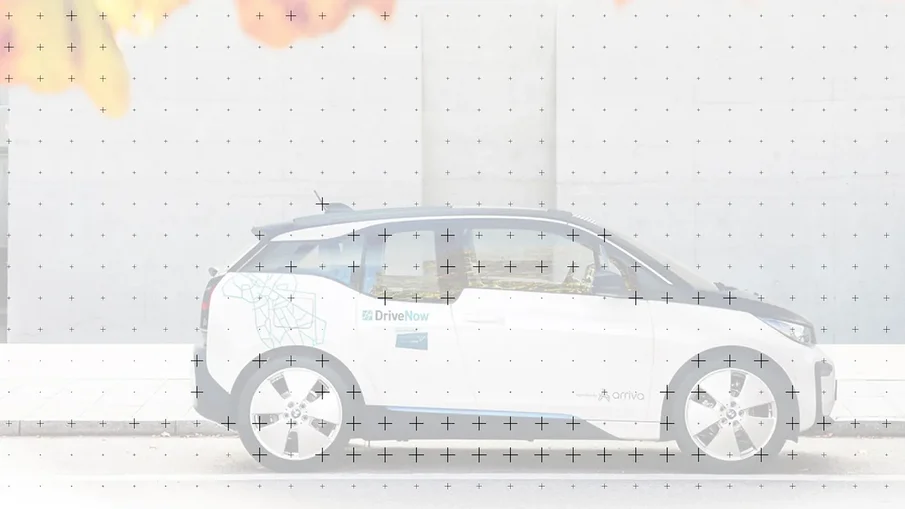
Yet businesses considering entering the sharing economy — and many are — can find the prospect intimidating. It demands changes to company structures and mindsets. For instance, the subscriber model requires manufacturers to start putting service above production, bringing on board new skillsets, resources, logistics, technology, equipment and even new premises — it’s undeniably daunting. However, one manufacturing sector that has leapt at the opportunity is the automotive industry. Beleaguered by years of sliding sales, and motivated by the success of car-sharing companies like Zipcar and service-first brand Tesla, traditional manufacturers including BMW, Volvo and Hyundai are launching subscription services. Volvo estimates that by 2025, half its cars will be on its subscription model line, while for the Indian market, Hyundai recently launched a subscription service that lets users subscribe to a car on a monthly basis.
As a status symbol, ownership is in global decline. According to a Harris poll, 68% of people around the world believe a person’s status is no longer defined by what they own, while over half would like to own less stuff. The same proportion of responders said that they enjoy the sense of freedom and flexibility that subscribing to products and services brings.

The sharing economy is closely related to the experience economy, and to the democratisation of luxury. Last year, electronics company Nura launched a truly flexible subscription service that gives customers access to extremely high-end headphones at a manageable monthly cost. Its website and marketing is designed with the assumption that you wish to subscribe to, rather than buy, the headphones, with its Nuranow subscription brand at front and centre. The brand generates a sense of community, too, creating sharable vlogs of musicians recording using the headphones.
Almost inherently, the sharing economy transforms the relationship between brand and consumer: the ownership model is a one-off, more-or-less anonymous exchange, but the subscriber model creates a long-term — possibly even a lifetime — commitment. There is a clear opportunity for businesses to harness opinions as well as longitudinal data from subscribers, bringing their voices into decision-making and making them part of the brand. Co-creating with ‘brand members’ starts a virtuous circle, boosting customer trust and loyalty and increasing engagement, which helps businesses to further refine products and services and accurately predict growth areas, in turn inspiring greater trust and loyalty.
Willing to put their faith in peer-to-peer services (like Uber and AirBnB) without the ‘safety net’ of an established third party. This is particularly disruptive to the financial sector, which is still trying to regain consumer trust lost in the 2008 banking crisis. Increasingly, major banking brands including Santander are investing in disruptive peer-to-peer lending services like Funding Circle, taking the wise decision to respond to, not reject, consumers’ calls for transparency.
Those who can spend the next few years evolving their businesses to precisely answer the needs of their audience will secure their place in a new economic world order, and successfully transform what were fleeting customers into life-long subscribers — with all the legacy value that brings.